
RVing 101
RV Basics: a guide to every type of camper
80 Years of Camping Wisdom • Pennsylvania’s Trusted RV Experts Since 1946
Which RV fits your lifestyle?
RV Basics: a guide to every type of camper
Understanding the different types of RVs is the first step toward the perfect road trip. Whether you're a solo adventurer or a large family, this guide breaks down every category — from towable trailers to luxury motorhomes — so you can compare features, pricing and benefits at a glance.
At Fretz RV in Souderton, PA, we help you match an RV to your tow vehicle and travel goals. Not sure your truck or SUV can pull the trailer you love? Run the numbers first on our trailer towing guide.
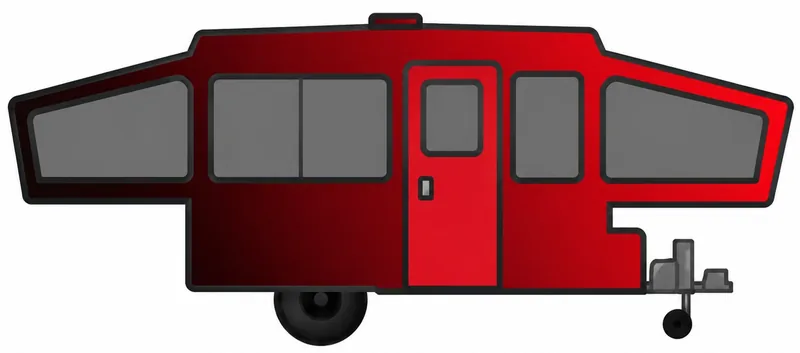
Pop-Up Campers
Sleeps 4 – 8 people$8,000 – $25,000
Affordable and lightweight. Perfect for SUV towing and small families.
Pros
- Light enough for many SUVs and crossovers
- Lowest price of entry into RVing
- Compact for storage
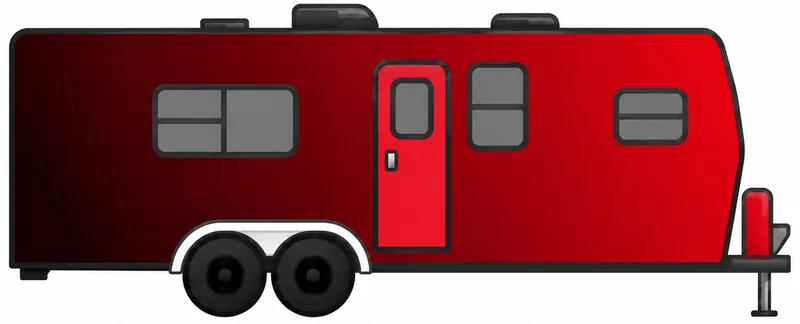
Travel Trailers
Sleeps 2 – 10 people$18,000 – $75,000
The most popular choice. Massive variety in bunkhouses and couples coaches.
Pros
- Widest selection of floorplans and brands
- Can be unhitched and left at the campsite
- Wide range of price points
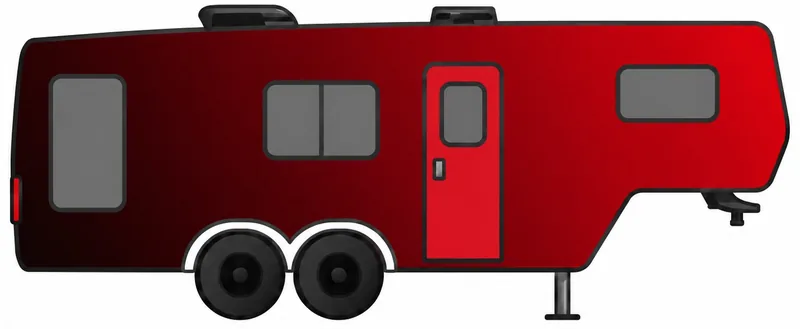
Fifth Wheels
Sleeps 2 – 8 people$45,000 – $150,000+
The ultimate residential experience. Ideal for full-timers and long trips.
Pros
- Most residential-style interiors of any towable
- Stable towing thanks to pin-hitch geometry
- Great for extended and full-time living
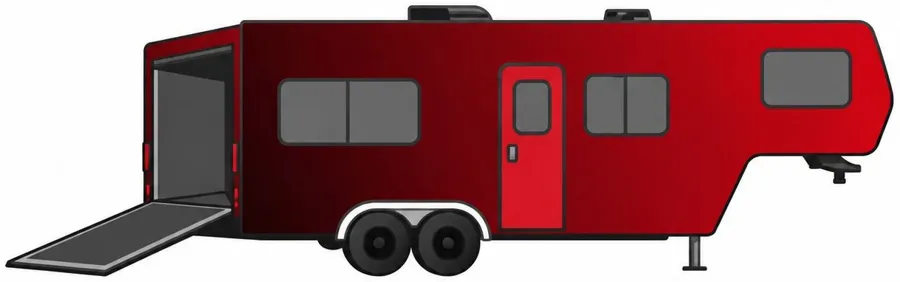
Toy Haulers
Sleeps 2 – 10 people$25,000 – $120,000+
Travel trailers or fifth wheels with a rear cargo garage for hauling ATVs, motorcycles or gear.
Pros
- Built-in garage for toys and gear
- Ramp door doubles as a patio
- Flexible garage space converts to sleeping/living area
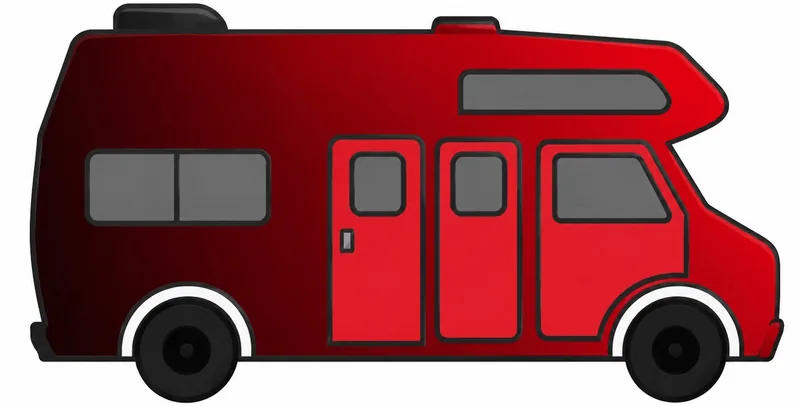
Class B Camper Vans
Sleeps 2 – 4 people$90,000 – $240,000+
Easy to drive and park. Ideal for solo travelers and nimble off-grid exploring.
Pros
- Fits in most standard parking spaces
- Easiest motorhome to drive and garage
- Great daily-driver flexibility
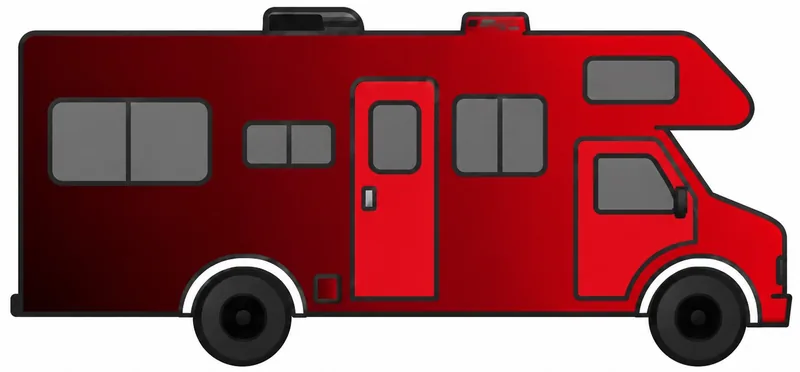
Class C Motorhomes
Sleeps 4 – 10 people$75,000 – $200,000+
The classic family motorhome. Great bunk space and easy all-in-one travel.
Pros
- Over-cab bunk adds sleeping capacity
- Easier to drive than a Class A
- Strong family-friendly floorplan variety
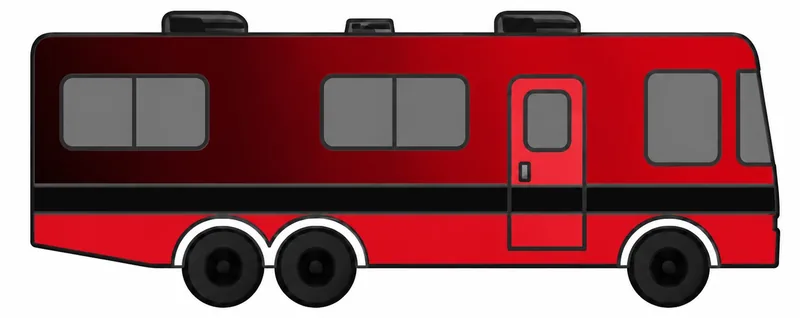
Class A Motorhomes
Sleeps 2 – 8 people$120,000 – $500,000+
Luxury bus-style travel. Premium amenities and maximum interior space.
Pros
- Most interior space and storage of any motorhome
- Premium residential-grade amenities
- Best for long-distance and full-time comfort
Family owned since 1946
Why Pennsylvania families trust Fretz RV
Since 1946, the Fretz family has helped four generations of campers discover the freedom of the road. As an employee-owned company, our team doesn't just sell RVs — we maintain, service and live the lifestyle ourselves. From our 12,000 sq. ft. indoor showroom to our RVIA-certified technicians, we're here to make sure your RV journey is affordable and enjoyable.
RV Basics FAQs
Frequently asked questions
Which RV type is easiest for a beginner to tow?
For most beginners, pop-up campers and small travel trailers (under 20 feet) are the easiest to tow. Their lower profile and lighter weight make them compatible with many SUVs and half-ton trucks, providing a more stable driving experience while you learn the ropes of hitching and backing up.
What is the difference between a Class B and a Class C motorhome?
A Class B is a camper van built inside a standard van chassis; it is the easiest to drive and park. A Class C is built on a larger "cutaway" truck chassis and almost always features an over-the-cab sleeping bunk, offering significantly more interior space and sleeping capacity for families.
Do I need a special driver's license for a large RV in Pennsylvania?
In PA, you generally do not need a Commercial Driver's License (CDL) for personal RV use. However, if your RV's GVWR exceeds 26,000 lbs, you may need a Non-Commercial Class B license. Most travel trailers and Class C motorhomes fall well below this limit.
How many people can comfortably sleep in a bunkhouse trailer?
Bunkhouse travel trailers are designed for families and can typically sleep between 6 and 10 people. They utilize stacked beds for kids and convertible dinettes or sofas to maximize sleeping arrangements without increasing the overall trailer length.